
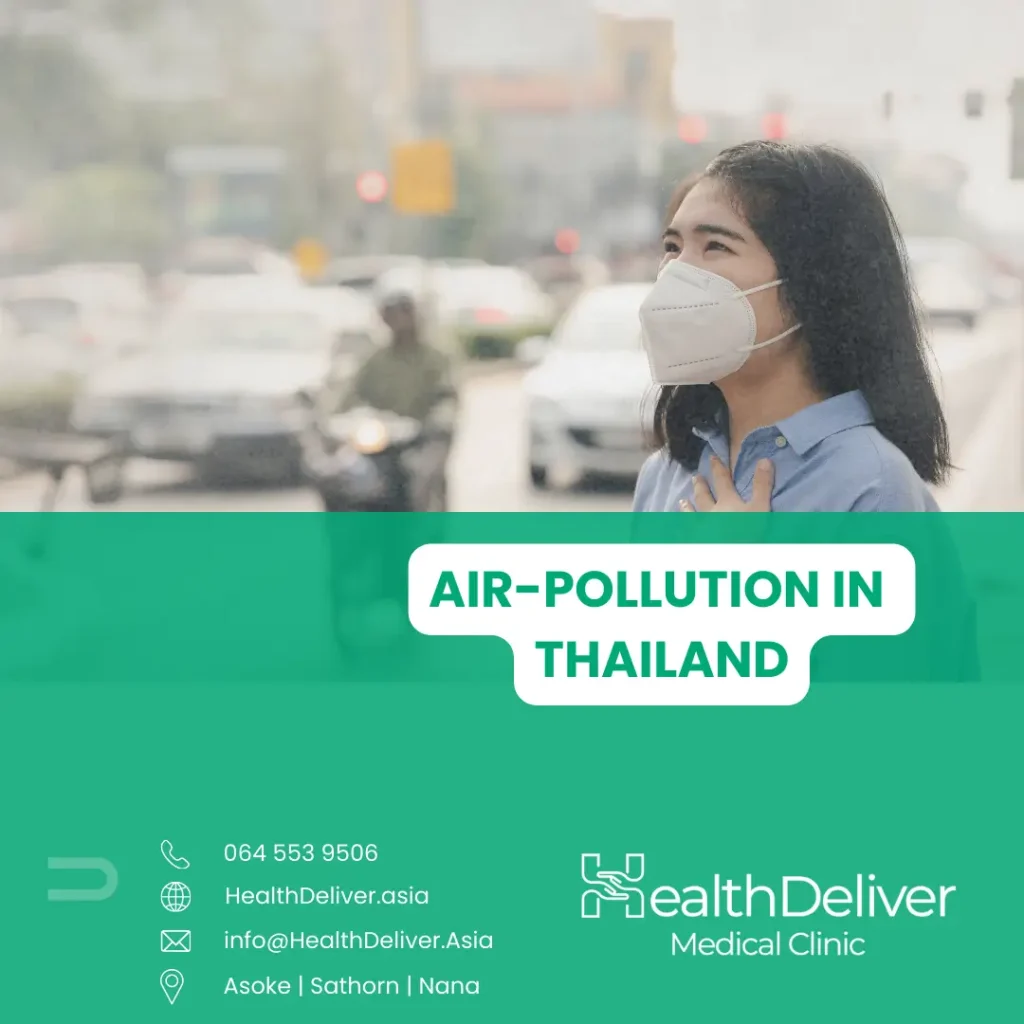
In 2026, Thailand’s rising PM2.5 levels from traffic, industry and burning are causing more frequent respiratory and heart problems, especially in children, older adults and people with lung disease.
Book An Appointment Here
Short-term exposure can trigger coughing, eye irritation and asthma attacks; long-term exposure raises risks for chronic respiratory and cardiovascular illness. Real-time AQI checks and PM2.5 masks help reduce risk, and clinics are coordinating outreach — continue for practical monitoring tips, protective steps and when to seek care.
Key Takeaways Air Pollution in Thailand and the Air Quality Index
- PM2.5 levels are set to rise in 2026, with frequent spikes in northern provinces and Bangkok from vehicles, industry, and agricultural burning.
- Short-term exposure causes coughing, sore eyes, throat irritation, and can trigger asthma or heart symptoms.
- Long-term exposure increases risks of chronic respiratory disease, cardiovascular disease, and certain cancers.
- Vulnerable groups—children, older adults, people with asthma, and outdoor workers—need extra protections during poor air quality.
- Monitor real-time AQI apps, use PM2.5-rated masks, limit outdoor activities, and seek medical care for persistent symptoms.

Particulate Matter 2.5 in Thailand and How It Affects Your Health
Because PM2.5 particles are so small—2.5 micrometres or less—they can bypass the body’s usual defenses, reach deep into the lungs, and even enter the bloodstream, causing immediate irritation (like coughing and sore eyes) and long-term damage such as chronic respiratory disease, heart disease, and increased cancer risk.
PM2.5 particles are tiny enough to reach deep lungs and bloodstream, causing immediate irritation and long-term disease.
Community caregivers should recognise that air pollution’s PM2.5 poses clear health effects: short-term respiratory irritation and exacerbations, and long-term risks including chronic illness.
In places like Bangkok, vulnerable individuals—children, older adults, pregnant people, outdoor workers—need protection when outdoor air worsens.
Teams serving others can monitor real-time AQI, reduce exposed activity, promote masks and cleaner indoor air, and guide at-risk people to medical help swiftly.
Current Air Quality Trends Across Thailand in 2026
While seasonal patterns still drive the worst episodes, 2026 has seen more frequent spikes of PM2.5 across Thailand—especially in northern provinces and Bangkok—driven by a mix of vehicle emissions, industrial activity, construction dust, and periodic agricultural burning, with stagnant weather amplifying short-term peaks that can breach health guidelines.
Observers note rising pollution levels on real-time air quality monitoring, with the air quality index often signaling risks.
Communities committed to service are tracking particulate matter trends, sharing alerts, and supporting those affected by adverse health effects of air pollution. Authorities and NGOs are expanding air quality monitoring and public guidance to reduce exposure and protect vulnerable groups in cities such as Bangkok.
Check local air quality index regularly
Share real-time air pollution alerts
Support reduced-emission initiatives
Help people limit outdoor exposure
Who Is Most Vulnerable to Air Pollution
Rising and unpredictable PM2.5 spikes across Thailand have uneven impacts, placing some people at far greater risk than others.
Community leaders and caregivers should prioritise vulnerable individuals when air pollution rises.
Children and older adults face higher health risks because developing lungs and weakened defenses make them more sensitive to fine particles.
People with asthma or chronic respiratory disease and those with cardiovascular conditions need extra protection and timely care.
Outdoor workers and commuters in Bangkok and other cities confront repeated exposure and should get workplace controls and masks.
Simple monitoring of the air quality index helps organisers decide when to limit outdoor activities.
Clinics and volunteers can coordinate targeted outreach, ensuring high-risk groups receive guidance, masks, and access to medical support.
Short-Term and Long-Term Health Effects of Exposure
When people breathe high levels of PM2.5, they often experience immediate symptoms like eye and throat irritation, coughing, wheezing, and shortness of breath, and these effects can appear within hours of exposure.
Repeated or intense short-term episodes also trigger asthma attacks and worsen chronic respiratory or heart conditions. Healthcare workers and community volunteers should recognise short-term symptoms and advise people to monitor local air quality and reduce outdoor activity.
Over years, repeated air pollution PM2.5 exposure raises long-term risks such as chronic respiratory disease, cardiovascular disease, stroke, and higher cancer risk. Vulnerable individuals need targeted support and early care based on air quality data to prevent deterioration and reduce community health consequences.
Track symptoms and act quickly
Advise mask use during peaks
Prioritise at-risk patients
Use local air quality data
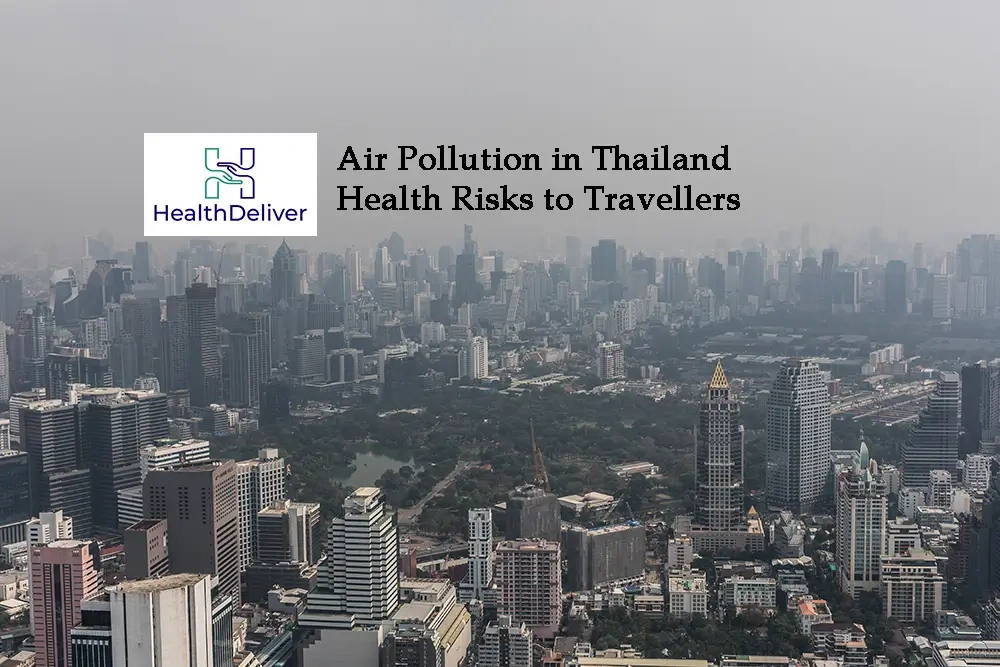
How to Monitor Air Quality and Interpret AQI
Recognising symptoms and acting quickly depends on knowing current pollution levels, so people should learn how to monitor air quality and read the Air Quality Index (AQI).
Community carers use real-time air quality monitoring apps and pollution control department sites to monitor local air quality, checking PM2.5 and particulate matter 2.5 concentrations.
They interpret AQI bands — good, moderate, unhealthy — to judge risk and communicate clear guidance.
Volunteers and health workers watch trends in air pollution levels to advise vulnerable individuals about reducing exposure and seeking care.
Comprehending the health effects of PM2.5 exposure helps teams prioritise those at highest risk.
Simple, routine checks of local monitors and official alerts enable timely, organized responses for community protection.
Practical Steps to Reduce Your Exposure
Because even brief exposure can harm vulnerable people, practical steps to reduce PM2.5 exposure focus on predictable, high-impact actions individuals can take every day.
The community-minded reader will monitor local air quality and use real-time air quality tools or an air pollution map to decide when to limit outdoor tasks. Simple protective measures can meaningfully reduce health outcomes tied to pollution, especially for vulnerable individuals and those with chronic respiratory disease.
Check the air quality index and real-time updates before outings; postpone nonessential work when levels rise.
Wear PM2.5-rated masks for outdoor service or commuting to reduce health risks.
Choose indoor, filtered spaces for group activities; run HEPA or rated filters.
Plan errands when AQI is lowest and avoid heavy exertion outdoors.
When to Seek Medical Care for Pollution-Related Symptoms
If symptoms such as persistent cough, chest tightness, difficulty breathing, sudden wheezing, faintness, or chest pain don’t improve after leaving a high-pollution area, patients should seek medical care promptly.
Clinicians remind caregivers and volunteers to act for others quickly when pollution-related symptoms persist or worsen.
Anyone experiencing severe respiratory irritation, bluish lips, confusion, or fainting needs emergency attention.
Vulnerable individuals—children, older adults, pregnant people, and those with heart or lung disease—should be assessed sooner.
Providers in Bangkok advise combining monitoring air quality with symptom tracking to decide when to seek medical advice.
For public health teams, early evaluation reduces complications and helps identify community-level spikes in PM2.5-related health risks requiring coordinated response.
Conclusion
Air pollution in Thailand remains a clear, preventable health threat in 2026, and people can take meaningful steps now. While some may say individual actions won’t change policy, personal exposure reduction and community advocacy both cut immediate risk and build pressure for systemic fixes. By staying informed, protecting vulnerable household members, using masks and filters during spikes, and demanding cleaner transport and agriculture, communities can reduce harm today and push for lasting improvements.

HealthDeliver and iqair
As air pollution levels rise, clinics like HealthDeliver play an essential role in addressing public health concerns associated with poor air cleanliness. With Bangkok frequently experiencing alarming fine particulate matter levels, the health risks to travelers and residents are significant. HealthDeliver focuses on providing timely medical advice, treatment options, and preventive measures to those affected by pollution concerns.
Book Your Appointment Today!
Here’s how clinics like HealthDeliver are making a difference:
Here’s how clinics like HealthDeliver are making a difference:
They facilitate access to medications and therapies that help mitigate health risks associated with air pollution in Asia.
They offer respiratory health assessments to identify the impact of smog pollution on individuals.
They provide education on how to minimize exposure to harmful pollutants.
FAQs About Environmental Pollution in Thailand
Q: What is the current status of air quality in Bangkok and Thailand in 2023?
A: As of 2023, air quality in Bangkok and several provinces in Thailand is often affected by high levels of fine particulate matter, leading to bad air quality conditions. Various cities, including Chiang Mai and Rayong, frequently report elevated levels of particulate matter, impacting public health.
How does pm2.5 air pollution in Thailand affect health?
A: Exposure to particulate matter 2.5 (pm2.5) can lead to respiratory issues, cardiovascular diseases, and other health problems. The Ministry of Public Health emphasizes the importance of monitoring air quality data to mitigate these health risks associated with poor air quality.
Where can I find real-time air quality data in Thailand?
A: You can connect with iqair for real-time updates on air quality, including the Thailand Air Quality Index (AQI) and particulate matter levels. Their platform provides detailed smog pollution maps and data specific to various provinces in Thailand.
What are the main sources of smog pollution in northern Thailand?
A: Key sources of smog pollution in northern Thailand include vehicle emissions, industrial activities, and seasonal agricultural burning. These contribute to high levels of fine particulate matter (pm2.5) and worsen air quality, especially during the haze season.
How does the annual average fine particulate matter concentration in Thailand compare to global levels?
A: The annual average fine particulate matter concentration in Thailand often exceeds recommended levels set by the World Health Organization, indicating worse air quality compared to many other regions globally. The World Air Quality Report highlights these disparities.
What actions are being taken by the Thai government to address smog pollution?
A: The Thai government, through the PCD (Pollution Control Department) and the Ministry of Public Health, is implementing various measures, such as stricter emissions standards and public awareness campaigns, to combat smog pollution and improve air quality across provinces.
How can I protect myself from bad air quality in Thailand?
A: To protect yourself from bad air quality, it is advisable to stay indoors during high pollution days, use air purifiers, wear masks designed for pm2.5 filtration, and keep track of the smog pollution map for updates on air quality levels in your area.
What is the significance of the US AQI in tracking air quality in Thailand?
A: The US AQI (Air Quality Index) provides a standardized method for assessing air quality levels, including pm10 and pm2.5 concentrations. It helps the public understand the health implications of smog pollution and take necessary precautions.
How does transboundary pollution affect air quality in Thailand?
A: Transboundary pollution, often from neighbouring countries, can significantly impact air quality in Thailand, particularly during the dry season. This pollution can contribute to increased haze and elevated PM2.5 levels, worsening the overall air quality situation.


